
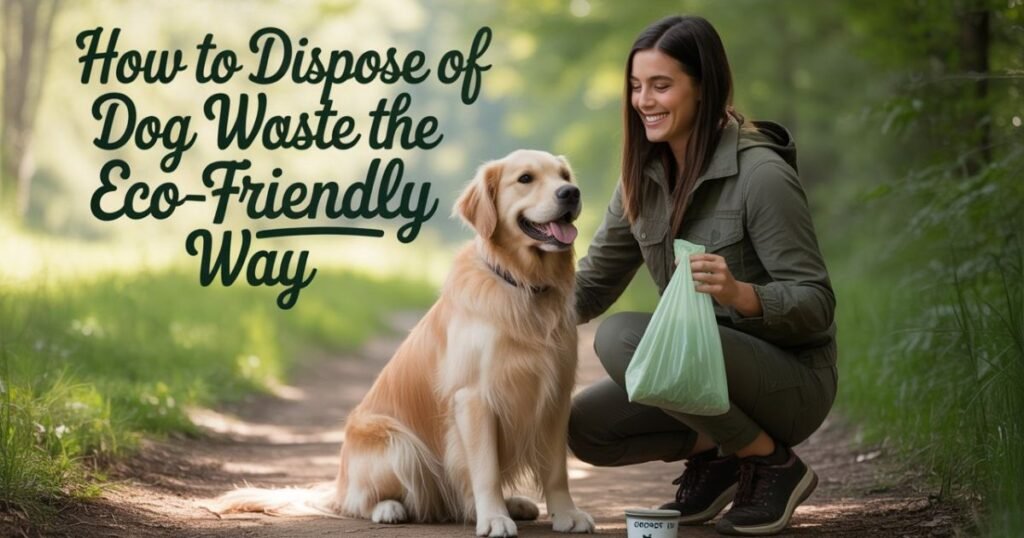
Cleaning up after your dog is part of responsible dog ownership, but it’s more than just a chore it’s a step toward protecting the environment. Many dog owners still rely on plastic shopping bags and throw waste into trash bins, unaware of the long-term landfill waste from dog poop and its environmental impact.
Understanding dog waste disposal goes beyond convenience; it’s about reducing pollution, promoting eco-friendly dog waste disposal, and supporting a healthier community. In this article, you’ll discover practical and safe methods for handling pet waste, including composting, biodegradable bags, and digesters, all designed to teach how to dispose of dog waste the eco-friendly way effectively.
Why Dog Waste Is an Environmental Problem
Dog poop looks harmless, yet it carries bacteria, parasites, and excess nutrients. When rain washes it into streets, it enters storm drains and eventually causes water pollution. This chain reaction damages rivers, lakes, and coastal areas. The connection between dog poop and the environment is stronger than many people realize.
In the U.S., untreated waste overwhelms city sanitation systems. Studies show pet waste contributes significantly to local contamination. Poor handling increases environmental damage and threatens community hygiene. That’s why safe dog poop disposal matters more than ever.
Problems With Traditional Dog Waste Disposal
Most people still rely on plastic shopping bags. While easy, this method creates long-term landfill waste from dog poop. Plastic blocks air and moisture, preventing waste from breaking down. The plastic dog poop bags impact lasts decades.
Once sealed and tossed into trash bins, waste joins other household waste in a landfill. There, it cannot biodegrade properly. This outdated habit undermines eco-friendly dog waste disposal and increases the overall environmental impact of pet ownership.
Disposal Methods You Should Avoid
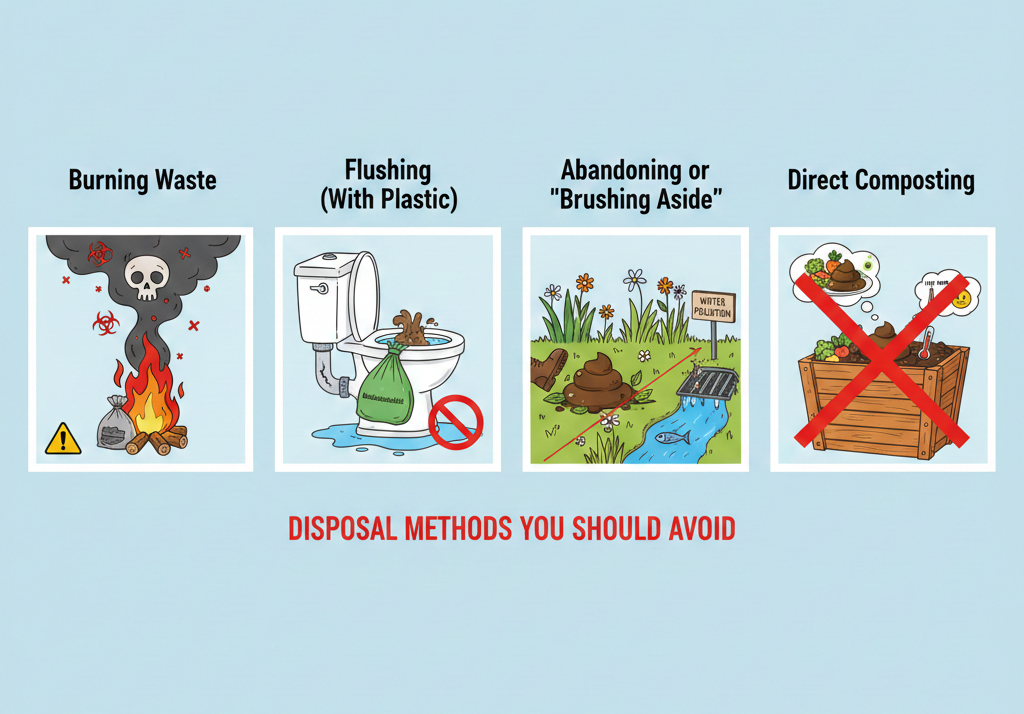
Some disposal habits seem harmless but cause serious harm. Burning, flushing, or abandoning waste spreads toxins and disease. These actions increase strain on waste management systems and risk public exposure.
Avoid shortcuts that threaten hygiene and health. Choosing careless methods sends waste into soil, air, or water systems unprepared to handle it. Learning how to dispose of dog poop responsibly starts by knowing what not to do.
Abandoning Bagged Dog Poop
Leaving bagged poop on sidewalks or trails is one of the worst habits. Plastic traps waste and creates visual pollution. Wildlife often tears bags open, spreading contamination across parks.
Abandoned bags harm community hygiene and increase cleanup costs. Many U.S. cities now issue fines for this behavior. True responsible dog ownership means finishing the job every time.
Burning Dog Waste
Burning dog poop releases harmful fumes. The smoke carries pathogens and toxins that irritate lungs and pollute air. This practice contributes to serious environmental damage.
In many states, burning pet waste violates local laws. It threatens public safety and adds to air pollution. Sustainable care never involves fire.
Flushing Dog Poop Down Toilets
Some people flush waste believing it’s safe. Most sewer systems are not designed to treat animal parasites. These organisms can survive treatment and enter waterways.
Clogs also occur when waste blocks toilet pipes. Even with flushable dog poop bags, many U.S. utilities discourage flushing pet waste due to water pollution risks.
Burying Dog Poop in Soil
Burying waste seems natural, yet it often contaminates groundwater. Shallow burial allows bacteria to seep into nearby soil and water sources.
In suburban yards, buried waste disrupts soil balance. It adds harmful nutrients instead of improving soil quality. This method fails as environmentally friendly dog poop disposal.
Throwing Dog Waste in the Trash
Trash disposal remains common. However, once waste reaches a landfill, it stays trapped for years. Plastic prevents proper biodegradation.
This method increases methane emissions and expands landfill size. Reducing trash disposal is essential for sustainable dog waste solutions across the U.S.
Composting Dog Waste Safely
Proper composting breaks waste down safely. A dedicated dog poop composting method uses high heat to kill pathogens. The result can enrich soil for non-edible plants.
Never mix dog waste with food compost. When done right, composting dog waste reduces trash volume and creates fertilizer for soil used in landscaping.
| Compost Type | Safe Use | Not Safe For |
|---|---|---|
| Dog Waste Compost | Ornamental plants | Vegetables |
| Yard Compost | Lawns | Pet waste |
Using Biodegradable Poop Bags
Switching to biodegradable dog poop bags reduces plastic pollution. These bags break down faster under proper conditions. They are effective alternatives to plastic poop bags.
Certification matters. Look for bags tested to break down fully. Used correctly, they support eco-conscious choices without changing daily habits.
Dog Waste Digesters for Home Use
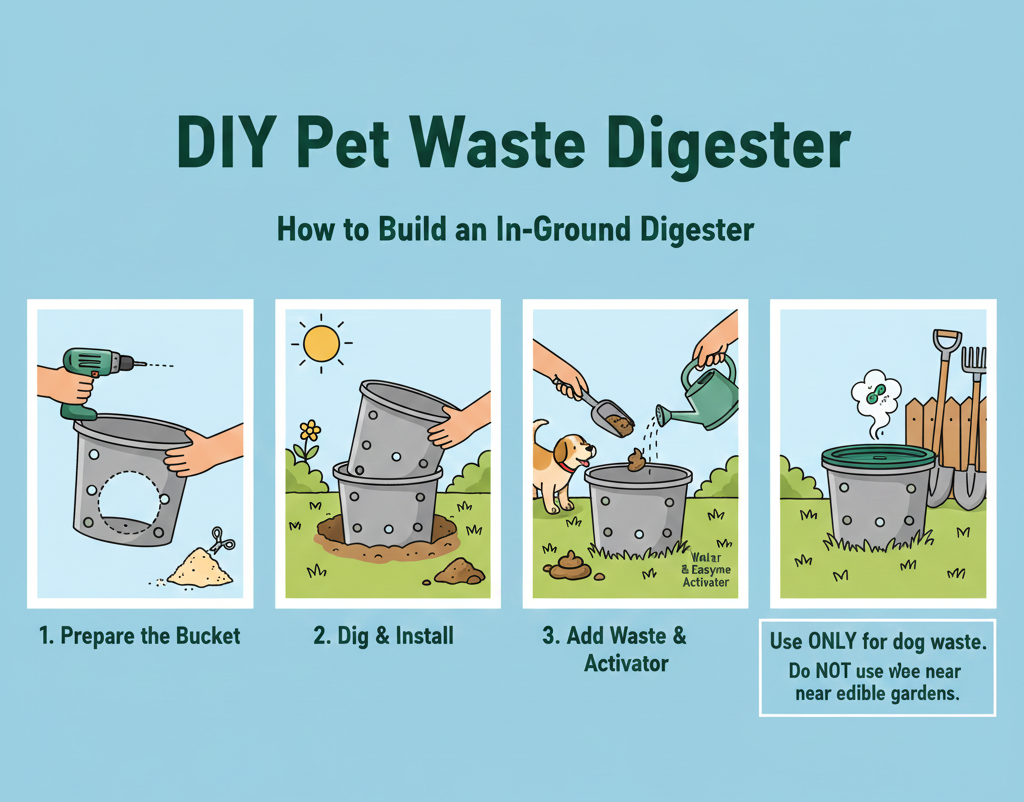
Digesters work like underground systems that process waste naturally. Enzymes break waste down safely over time. They fit well in U.S. backyards.
Homes with limited space benefit from digesters. This solution keeps waste out of landfills and supports eco dog care tips for long-term sustainability.
Eco Solutions for Dog Urine
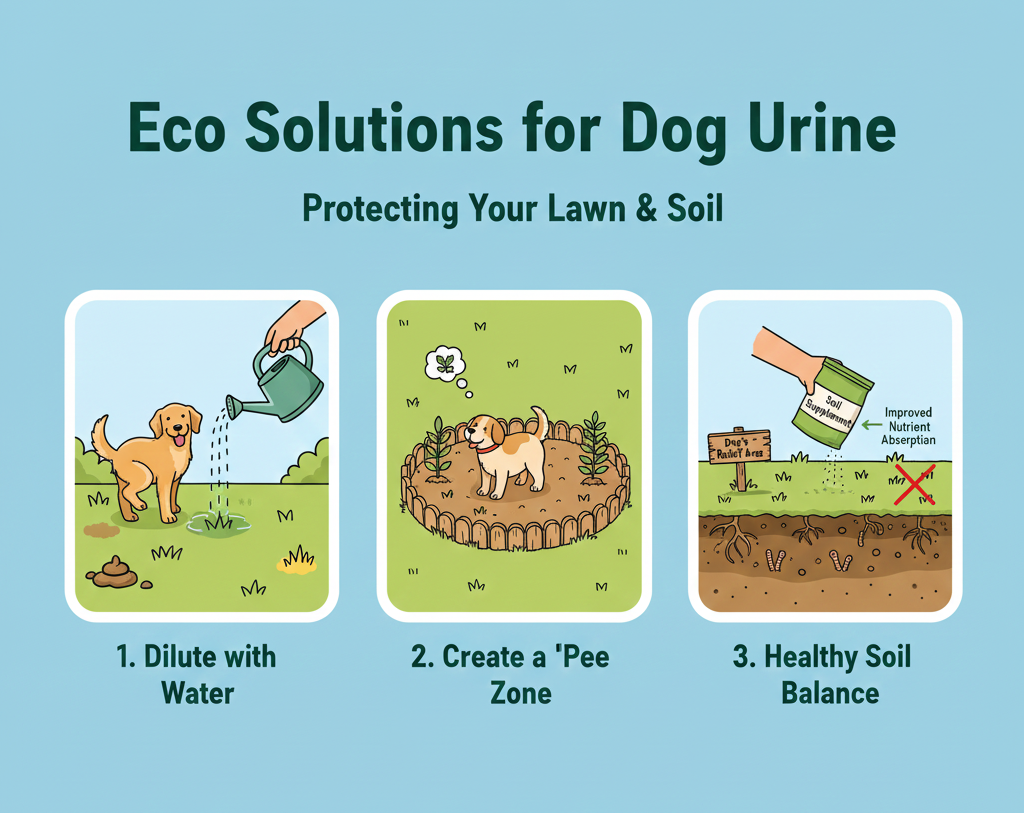
Dog urine damages grass due to nitrogen overload. Repeated exposure burns lawns and harms soil health.
Diluting urine with water reduces impact. Choosing specific pee zones protects lawns. These steps improve environmental impact while maintaining yard health.
DIY Eco-Friendly Dog Waste Disposal Tips
Small habits create lasting change. Using yard-based solutions reduces reliance on trash systems. Simple routines support sustainable dog waste solutions.
One U.S. homeowner reduced waste by 40 percent using compost and digesters. As one expert said, “Pet care and planet care can coexist.” Making mindful choices completes the journey of how to dispose of dog waste the eco-friendly way.
Final Thought
Every cleanup decision matters. Choosing smarter dog poop disposal methods protects public spaces and future generations. With awareness and effort, how to dispose of dog waste the eco-friendly way becomes second nature for modern American dog owners.